Why Shoppers Seek Bargains – Real Reasons Explained
Bargain hunting has become an american obsession, with research showing more than 90 percent of American shoppers actively searching for deals online or in stores. This pursuit goes far beyond simply saving money, blending clever strategy, digital savvy, and powerful psychological motivation. From comparing prices across platforms to experiencing a rush of achievement with every successful discount, today’s shoppers are turning every transaction into a complex, rewarding challenge that shapes modern spending habits.
Table of Contents
- Defining Bargain-Seeking In Modern Shopping
- Psychological Drivers Behind Bargain Hunting
- Cultural And Social Influences On Shopping Habits
- Online Shopping And The Quest For Deals
- Risks And Mistakes In Pursuit Of Low Prices
Key Takeaways
| Point | Details |
|---|---|
| Modern Bargain Hunting | Involves sophisticated strategies like value-mining, price-mining, and systematic evaluations of purchases that enhance the shopping experience beyond mere price reductions. |
| Psychological Drivers | Shoppers seek not just savings, but emotional rewards such as personal achievement and satisfaction from skilled deal-making. |
| Cultural Influences | Economic perceptions and social dynamics shape consumer behavior, highlighting that perceptions of value differ across cultural contexts. |
| Risks of Bargain Hunting | Aggressive deal-seeking can lead to financial traps and emotional spending, making it essential for consumers to maintain a disciplined shopping approach. |
Defining Bargain-Seeking in Modern Shopping
Bargain hunting is more than just finding a lower price. It’s a sophisticated consumer behavior rooted in strategic decision making and psychological satisfaction. The evolution of consumer discount practices reveals a complex landscape where shoppers actively negotiate value beyond simple monetary savings.
Modern bargain seekers engage in nuanced strategies that go far beyond traditional coupon clipping. Researchers have identified three distinct approaches to deal hunting: value-mining, price-mining, and encounters. These behavioral patterns demonstrate how consumers systematically evaluate purchasing opportunities, transforming shopping from a transactional experience into a strategic process.
The psychology behind bargain seeking is multifaceted. Shoppers aren’t just saving money - they’re experiencing a sense of achievement and control. Each successful discount represents a personal victory, a moment where strategic thinking translates into tangible financial benefit. This emotional reward explains why many consumers spend significant time researching deals, comparing prices, and tracking potential savings across multiple platforms.
Key characteristics of contemporary bargain hunters include:
- Advanced digital literacy
- Comfort with comparative shopping tools
- Willingness to invest time in finding optimal prices
- Sophisticated understanding of product value
- Strategic approach to consumption
Understanding these motivations reveals that bargain seeking is a nuanced skill set, blending economic pragmatism with personal satisfaction.
Psychological Drivers Behind Bargain Hunting
Bargain hunting is a complex psychological phenomenon that extends far beyond simple financial savings. The neurological response to discovering a deal triggers powerful reward mechanisms in the brain, releasing dopamine and creating an intense sense of personal accomplishment. This neurochemical reaction transforms shopping from a mundane activity into an emotionally charged experience where each discount feels like a personal victory.

Consumers develop sophisticated mental strategies to justify their purchasing behaviors. Frugal individuals often reconcile their disciplined spending habits with the allure of deep discounts by strategically reframing their perception of product value and personal need. This cognitive recalibration allows shoppers to feel both financially responsible and emotionally satisfied when making purchases during sales events.
The psychological landscape of bargain hunting is rich with emotional complexity. Shoppers aren’t merely seeking lower prices - they’re engaging in a form of personal financial performance art. Each successful deal represents a moment of strategic triumph, where individual skill and market knowledge converge. This sense of empowerment transforms shopping from a passive consumption activity into an active, engaging experience that provides psychological rewards beyond monetary savings.
Key psychological motivations driving bargain hunting include:
- Sensation of personal achievement
- Desire to feel financially intelligent
- Neurochemical reward from successful negotiation
- Temporary relief from economic stress
- Social validation through smart purchasing
Understanding these intricate psychological drivers reveals that bargain hunting is a nuanced expression of human decision making, blending economic pragmatism with emotional gratification.
Cultural and Social Influences on Shopping Habits
Cultural perceptions of economic value dramatically shape consumer purchasing behaviors, transforming shopping from a simple transactional experience into a complex social interaction. Different cultural backgrounds create unique frameworks for understanding value, discount attractiveness, and personal spending strategies. What might seem like an irresistible bargain in one social context could appear completely unappealing in another.
Cognitive biases play a significant role in how consumers interpret pricing and value. Psychological mechanisms like the anchoring effect fundamentally influence how individuals perceive and evaluate potential purchases, creating intricate mental models that extend far beyond rational economic decision making. Initial price points become psychological reference points, guiding consumers’ perceptions of what constitutes a genuine deal.
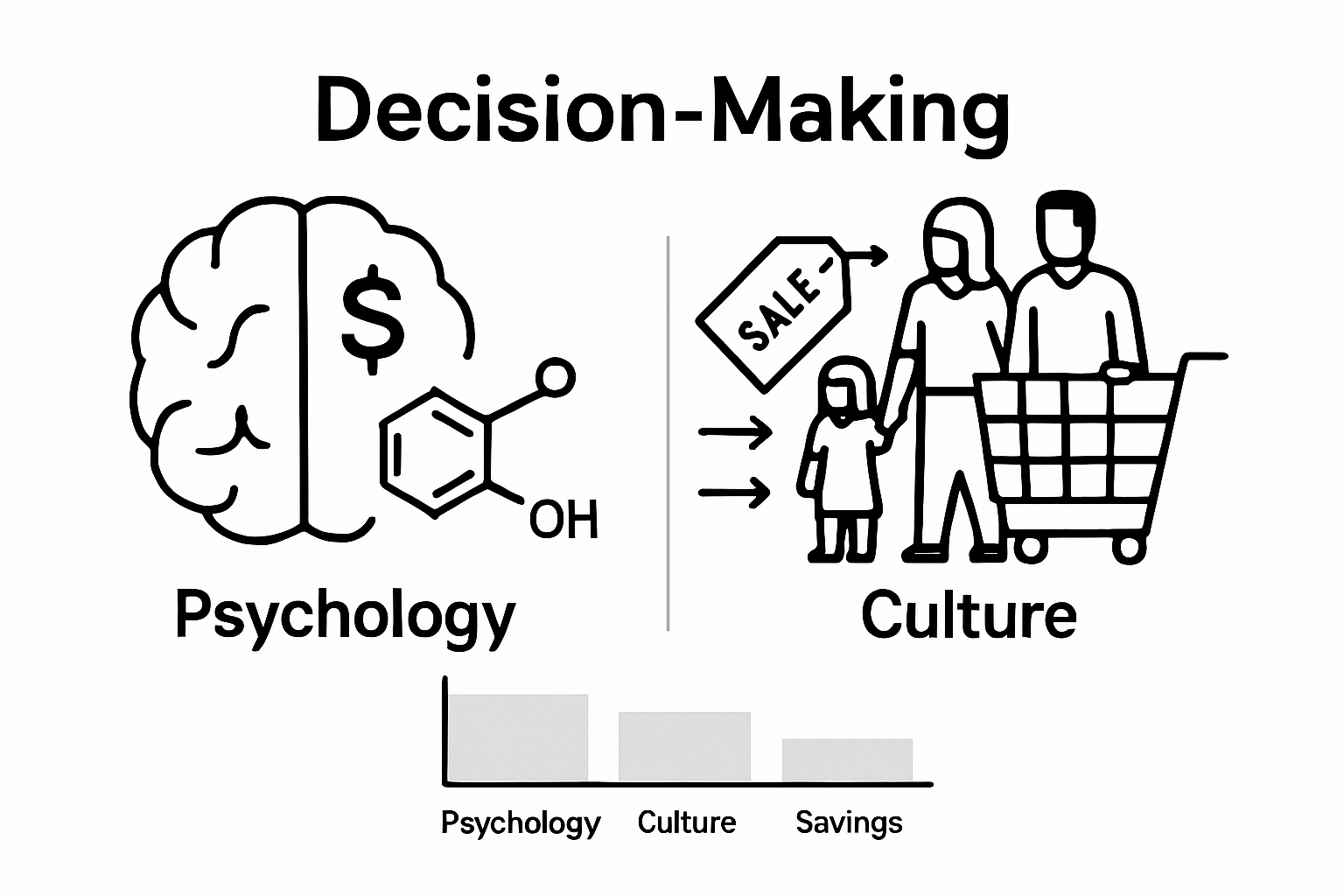
Social dynamics further complicate bargain hunting behaviors. Peer networks, social media influence, and community spending norms create powerful external pressures that shape individual purchasing decisions. Consumers are not merely making economic choices but participating in complex social signaling mechanisms where acquiring a bargain represents more than financial savings - it becomes a form of social capital and personal achievement.
Key social and cultural factors influencing shopping habits include:
- Generational spending attitudes
- Community economic perspectives
- Digital social network influences
- Cultural attitudes toward consumption
- Geographical economic variations
- Personal social status signaling through purchasing
Understanding these nuanced interactions reveals shopping as a multidimensional experience where economic, psychological, and social factors continuously intersect and influence consumer behavior.
Online Shopping and the Quest for Deals
Online shopping behaviors reveal complex patterns of consumer purchasing strategies, particularly among shoppers seeking the most advantageous deals. The digital marketplace has transformed traditional bargain hunting, enabling consumers to compare prices, track discounts, and make informed purchasing decisions with unprecedented speed and precision. Affluent consumers, in particular, demonstrate a sophisticated approach to online deal seeking, frequently purchasing higher-priced items while simultaneously maximizing value.
Digital recommendation technologies have revolutionized how consumers discover and evaluate potential bargains. Online recommendation agents play a critical role in facilitating impulsive yet strategic purchasing behaviors, creating sophisticated networks of price comparison, product discovery, and consumer engagement. These intelligent systems analyze individual shopping patterns, predict potential interests, and present personalized deal opportunities that align with specific consumer preferences.
The quest for online deals extends beyond mere price reduction. Modern shoppers engage in a complex ecosystem of value evaluation that includes factors like shipping costs, product quality, user reviews, and long-term utility. Consumers now utilize advanced digital tools to conduct comprehensive research, cross-referencing prices, reading detailed product descriptions, and leveraging community insights before making purchasing decisions.
Key strategies employed by savvy online deal seekers include:
- Utilizing price tracking applications
- Comparing prices across multiple platforms
- Monitoring flash sales and limited-time offers
- Leveraging cashback and rewards programs
- Using browser extensions for automatic discount discovery
- Subscribing to deal newsletters and alerts
Understanding these dynamic digital shopping behaviors reveals a sophisticated consumer landscape where technology, psychology, and economic strategy continuously intersect. The customer price challenge reflects this ongoing evolution of online bargain hunting, demonstrating how consumers actively engage with digital marketplaces to optimize their purchasing experiences.
Risks and Mistakes in Pursuit of Low Prices
The pursuit of bargains can inadvertently lead consumers into financial and psychological traps, transforming what initially appears to be smart shopping into a potentially destructive behavioral pattern. Unnecessary purchases accumulate quickly, creating cluttered living spaces and financial strain that far outweigh the perceived savings. Bargain hunters often fall into a cognitive illusion where the excitement of a potential deal overshadows rational spending decision making.
Cognitive biases fundamentally distort consumers’ perception of value and pricing, creating intricate mental mechanisms that push individuals toward irrational purchasing behaviors. The anchoring effect, for instance, causes shoppers to make decisions based on initial price references, frequently resulting in spending more money than originally intended. These psychological tricks transform discount hunting from a potential money-saving strategy into a sophisticated form of financial self-deception.
The risks associated with aggressive bargain hunting extend beyond immediate financial consequences. Compulsive deal seeking can develop into a form of emotional spending, where the temporary dopamine rush of finding a discount becomes more important than actual product utility. Consumers begin prioritizing perceived savings over genuine need, accumulating products that ultimately provide minimal long-term value and contribute to unnecessary consumption.
Common mistakes in bargain hunting include:
- Purchasing items solely because they are discounted
- Ignoring total ownership costs
- Overlooking product quality and durability
- Failing to comparison shop across multiple platforms
- Making impulsive decisions based on limited-time offers
- Disregarding personal budget constraints
Recognizing these potential pitfalls requires developing a strategic, disciplined approach to shopping that balances the excitement of finding deals with thoughtful, intentional purchasing decisions.
Unlock Smart Savings With RawCitizen—Where Bargain Hunting Meets Strategy
The article reveals how modern shoppers like you experience a powerful sense of achievement and financial intelligence when securing real bargains. However, the challenge lies in avoiding impulsive purchases and effectively navigating complex online deals. With RawCitizen you can embrace strategic shopping by exploring a carefully curated selection of affordable electronics appliances and lifestyle products designed for savvy consumers who demand value without compromise.
Discover how RawCitizen simplifies your deal-finding journey by offering transparent pricing detailed product descriptions and fast shipping promises. Whether you seek scooters kitchen knives or air fryers it is all at your fingertips. Shopping with RawCitizen means harnessing digital tools and social proof that empower you to make informed decisions while enjoying the thrill of smart savings.
Elevate your shopping experience today at RawCitizen Store.

Don’t settle for less or get caught in the trap of unnecessary purchases Visit RawCitizen Store to start your journey toward smarter purchasing backed by guaranteed deals. Find your next favorite product while saving money and feeling like a true bargain-hunting champion now.
Frequently Asked Questions
What motivates consumers to seek bargains?
Consumers are motivated by a combination of psychological satisfaction, achievement, and the desire to feel financially intelligent. The thrill of finding a discount enhances personal achievement and creates a sense of control and empowerment in their purchasing decisions.
How does bargain hunting create psychological rewards?
Bargain hunting triggers dopamine release in the brain, leading to feelings of accomplishment and satisfaction. Each successful deal can feel like a victory, transforming shopping into a rewarding emotional experience that goes beyond just monetary savings.
What strategies do savvy shoppers use to find deals online?
Savvy online shoppers utilize various strategies, including price tracking applications, comparing prices across multiple platforms, monitoring flash sales, leveraging cashback programs, and subscribing to deal alerts. These tactics enable them to maximize value and make informed decisions.
What are common risks associated with aggressive bargain hunting?
Common risks include making unnecessary purchases driven by impulse, ignoring product quality and total ownership costs, and falling into cognitive biases that distort perception of value. Over time, this can lead to clutter, financial strain, and emotional spending habits.


